MenuClose
Buying a Gończy Polski puppy in Poland: checking the breeder, paperwork and entry into Germany
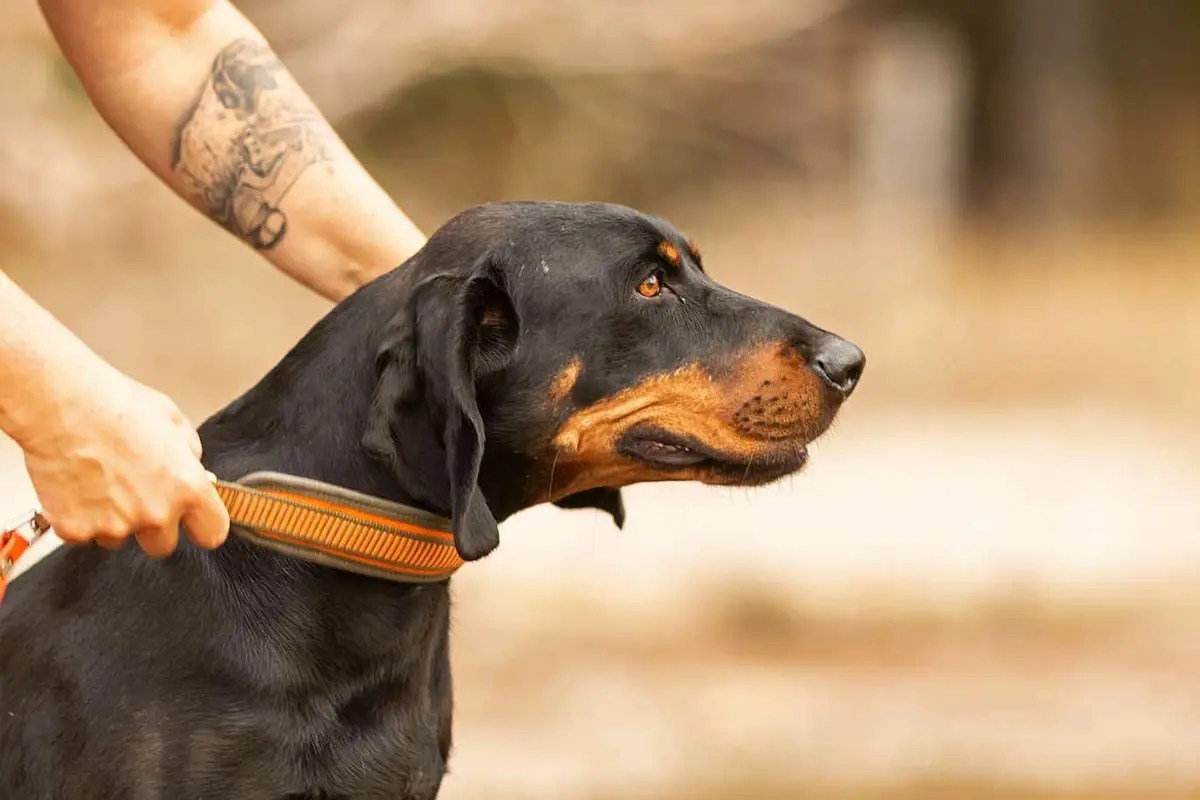
My first Gończy Polski came to me from Poland in 2016: Flinta Cnotliwy Nos, whom we called Dana. The contact was arranged through the then chairwoman of the VGPD. That personal recommendation meant a great deal to us. Anyone bringing a puppy from Poland to Germany today should still consider the breeder, paperwork and travel arrangements carefully and separately.
Lucas Müller · Personal experience from breeding and hunting
In this article
How Dana joined us
We were unable to visit and assess the kennel in person before buying Dana. We therefore had to rely on the experience behind the recommendation. That was our route to finding her; it is not a universal model for every puppy purchase.
At the handover I received her pedigree and vaccination record. Collecting her went smoothly. Our additional collection expenses were fuel costs. This describes our experience in 2016, including the documents I remember receiving. Anyone making the journey today needs to follow the requirements currently in force. You can read more about my first dog in Dana’s profile: Flinta Cnotliwy Nos.
Get to know the breeder and the dogs
For me, the health of the puppy and its parents comes first. I then want to know about the parents‘ hunting tests, their behaviour around people and other dogs, and how they behave at home. The same considerations apply to a breeder in Poland as to one in Germany.
A personal recommendation can help establish contact, but you should still ask your own questions. Find out how the puppies are raised, which health examinations are documented and what work the parents do. Where a visit is possible, it helps you get to know the dogs and their daily life. If that is initially impractical, detailed conversations, recent photographs or videos and a video call can provide a first impression. To help you prepare, I have put together questions and documents to discuss during a breeder visit.
A pedigree and a travel document serve different purposes
ZKwP breeders must arrange an export pedigree when selling a puppy abroad. Clarify its issue early. It supports subsequent registration; it is not a German VDH pedigree. An EU pet passport instead records information including the dog’s identity and rabies vaccination. Neither document replaces the other.
Check that the dog’s details agree across the paperwork. Establish which original documents you will receive at the handover and which, if any, will follow later. A general assurance that “all the papers are available” does not answer those questions.
Entry into Germany: allow for the earliest permitted date
As of 1 October 2026, private pet travel requires a microchip, a valid EU pet passport and valid rabies vaccination. Identification must precede or coincide with vaccination. The first rabies vaccination can be given from twelve weeks of age; at least 21 days must pass after the primary vaccination course is completed.
Germany does not permit the relevant young-animal exemption. A puppy can therefore enter Germany at fifteen weeks at the earliest, provided all other conditions are met. Schedule collection around valid documents and waiting periods, rather than simply your preferred arrival date.
Clarify collection and transport arrangements in advance
If you collect your newly acquired dog yourself and travel home together, non-commercial pet travel rules may apply, provided their conditions are met. Otherwise, additional movement requirements may apply. Check the specific arrangements with the responsible veterinary authority before purchase, particularly where organised transport or a later handover is involved.
A clear plan for collection day
Before travelling, agree the handover date, documents, purchase contract and all costs. Plan suitable transport restraints, breaks and enough time for the puppy. The journey is only one part of bringing a dog home; afterwards, the youngster needs time to get to know its new surroundings.
Our experience with Dana was a good one. Your decision should nevertheless rest on more than the country of origin. What matters is the individual breeder, information you can verify, and a dog that suits your life and your hunting plans. For life after collection, read my thoughts on costs, equipment and time when bringing a puppy home.
Sources and further information
Additional information checked: 1 October 2026
ZKwP: Rodowody – rodowód eksportowy
European Commission: Travelling with a pet within the EU
European Commission: Young animals
Contact
Would you like to know more about Dana and how my Gończy Polski breeding began? I am happy to share our story.



Breeding Gończy Polski for hunting performance since 2019 – shaped by practical hunting experience, family life and a commitment to breeding healthy hunting dogs with sound temperaments.
Breeding within the VDH · Kennel name internationally protected through the FCI
© 2026 Gończy Polski vom Pauelsgraben

